
Blog
Reading the order book without overreading it
Depth of market is useful context, not a crystal ball. How to use it responsibly.
2026-03-04 · Research Desk
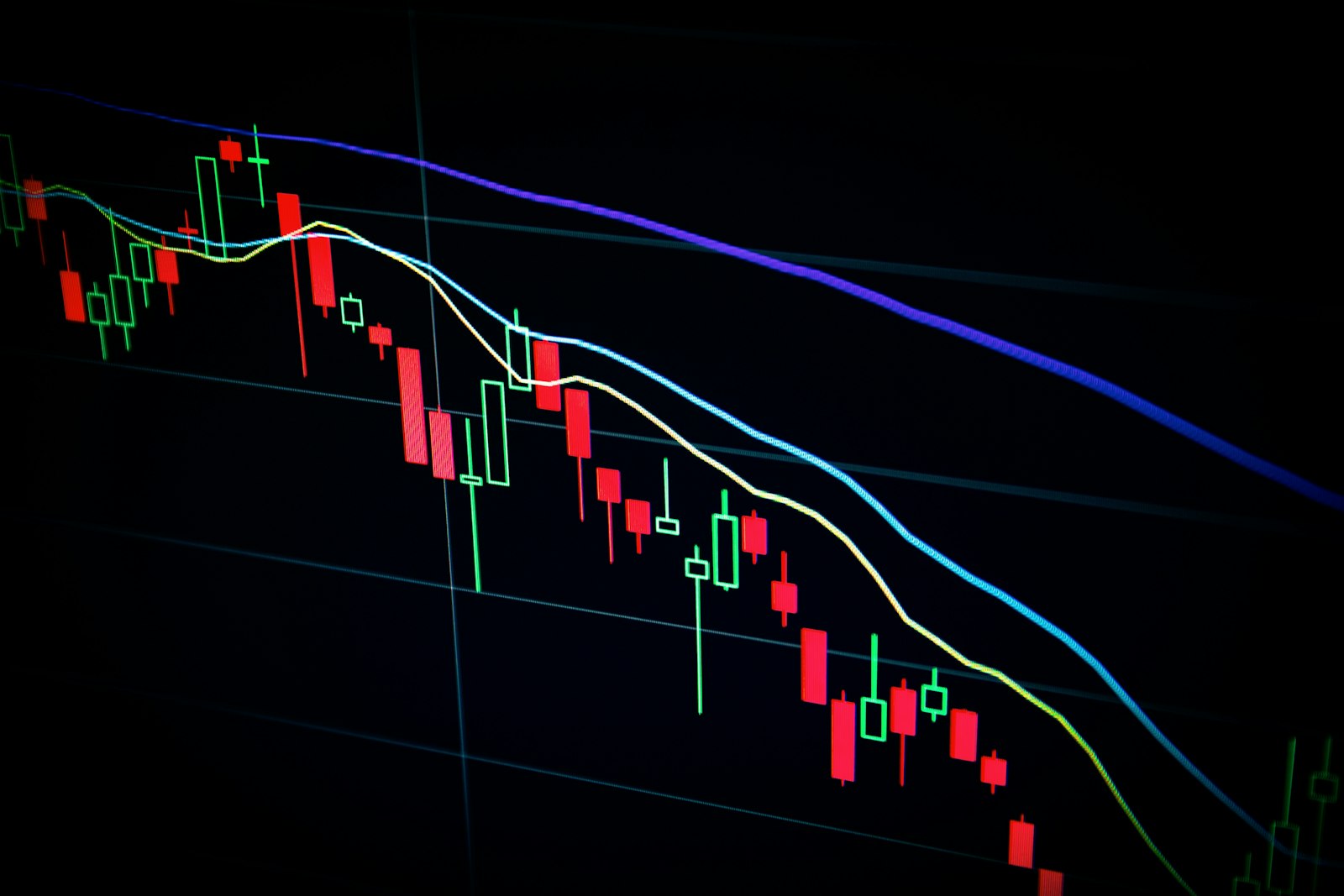
Order book data tells you where liquidity is resting right now — not where price is going next. It is easy to fall into the trap of treating depth of market as a predictive tool. A thick stack of bids looks supportive until it is pulled in milliseconds. A thin ask wall looks vulnerable until it is reinforced. The book is a snapshot, not a forecast.
We cover practical uses: sizing around thin books, timing entries near session opens, and avoiding false confidence from fleeting quotes. In a deep, active market, larger orders can be executed with minimal impact. In a thin book, the same size can move price against you before the fill completes. Adjusting position size to book depth is a simple way to reduce slippage.
Session opens deserve extra attention. Liquidity patterns change as major centres come online. The first minutes after Frankfurt, London, or New York open often show a flurry of orders that can distort the book. Waiting for the initial shuffle to settle usually produces a cleaner read and better fills.
One common mistake is chasing spoofing. Large orders that appear and disappear rapidly are often designed to mislead, not to trade. Reacting to them is a fast way to become someone else's liquidity. We teach traders to look for sustained pressure across multiple price levels rather than single, flashy quotes.
Used correctly, the order book adds context to price action. It helps you understand whether a breakout has genuine participation or whether it is running on air. It helps you place entries and stops where liquidity actually lives. The key is to treat it as one input among many, not as the final answer.